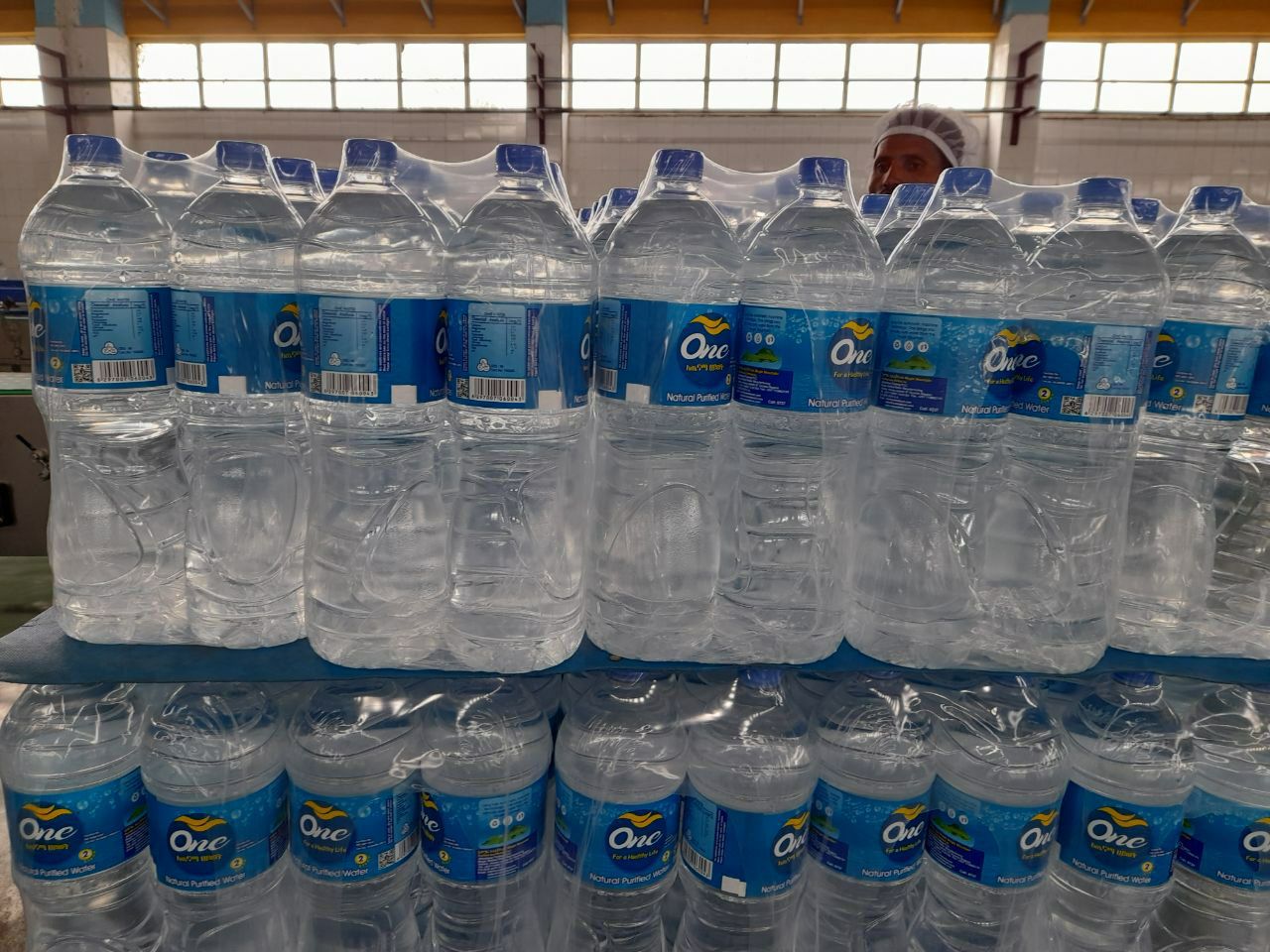
የአገር ውስጥ የታሸገ ውሃ አምራቾች ሲያመርቱበት የቆየውን ሰማያዊ የፕላስቲክ ጠርሙስ በመተው ውሃን በነጭ (ቀልም አልባ) ፕላስቲክ ጠርሙስ ማሸግ ጀመሩ፡፡ለረጅም አመታት አምራቾቹ ሰማያዊ ቀለም ባላቸው የፕላስቲክ ጠርሙሶች ሲያሽጉ የነበረ ቢሆንም የምግብና መጠጥ ኢንዱትሪ ምርምርና ልማት ማዕከል ባካሄደው ጥናት የፕላስቲክ ጠርሙስ ማቅለሚያ አካባቢ ላይ ተፅዕኖ የሚፈጥር በመሆኑ መልሶ ለግብአትነት ለመጠቀም አመቺ ባለመሆኑ እና አላስፈላጊ የውጭ ምንዛሬ ወጪን የሚያስከትል በመሆኑ የጠርሙስ ማቅለሚያ ማስተርባች ጥቅም ላይ እንዳይውል ተወስኗል፡፡


Featured
የታሸገ ውኃ አምራቾች በዓመት ወጪ ያደርጉ የነበረው 100 ሚሊዮን ዶላርን የሚያስቀር ማስተርባች የተሰኘ ምርት መጠቀም እንዲያቆሙ መወሰኑን የኢትዮጵያ ውኃ፣ ለስላሳ መጠጦች፣ አትክልትና ፍራፍሬ አምራቾች ማኅበር ገለጸ።
የታሸገ ውኃ አምራቾች በተለይም በጥሬ ዕቃ እጥረት ለማምረት ሲቸገሩ መቆየታቸውንና ለዚህም እንደ መፍትሔ ከተወሰዱት ጉዳዮች መካከል ተጨማሪ ግብዓቶችን መጠቀም ማቆም መሆኑን የማኅበሩ ፕሬዚዳንት አቶ አሸናፊ መርዕድ ገልጸዋል።
Featured
This is to notify that the Ethiopian Bottled Water, Soft drink, Fruit and Vegetables Processing /Manufacturing Industries Association (EBSFMIA) has changed its name to The Ethiopian Beverages Manufacturing Industries Association (EBMIA).
The name was changed after the General Assembly endorsed its new name on May 12, 2022.
The Association members include among others bottled water manufacturers, soft drinks manufacturers, Fruit and vegetables processors /manufacturers, and Non-alcoholic drinks Manufacturers.
Featured
Established in July 2019, the Ethiopian Bottled Water, Soft drink, Fruits and Vegetable Processing/ Manufacturing Industries Association (EBSFMIA) has close to 138 companies with 55,000 permanent employees and 71 thousand jobs across its value chains.
EBSFMIA has conducted a survey to eliminate the impacts of imported bottled water plastics Necksils against the environment. By so doing, the association was successful in saving an average of $30,000 in a year from each company, Ashenafi Merid, General Manager of EBSFMIA told Ethio Trade and Investment Forum radio show.
Featured
On a hot, humid, sunny day in February, Binyam Girma, a 30-year-old house broker, was quenching his thirst by drinking from a one-litre bottle of water branded Aqua Safe in the shade of a kiosk around Kirkos. He drinks a minimum of two litres a day, always from a one-litre size bottle.
“I prefer this size as the half-litre one ends too fast, and the two-litre one is not comfortable to carry,” says Binyam.
The tidy little kiosk of Gizaw Kitabo, where Binyam is a customer, has dozens of different bottled waters, such as Aqua Safe, Aqua Addis, Arki, Classy and Fiker. They all come in various sizes, including the 20lt ones that Abyssinia and Classy bottle.
Featured
About 20 bottled water producers have stopped their production as a result of shortage and price hike of materials according to information Capital has obtained from the Ethiopian Bottled Water and Soft Drinks Manufacturing Industries Association (EBWSDMIA).
“Purified water bottling businesses are going down,” said Ashenafi Merid, General Manager of EBWSDMIA. Due to the shortage and price hike of raw materials, bottlers are struggling to stay in the market. 20 bottlers have so far stopped their production while the rest operational producers are working under their capacity.

